

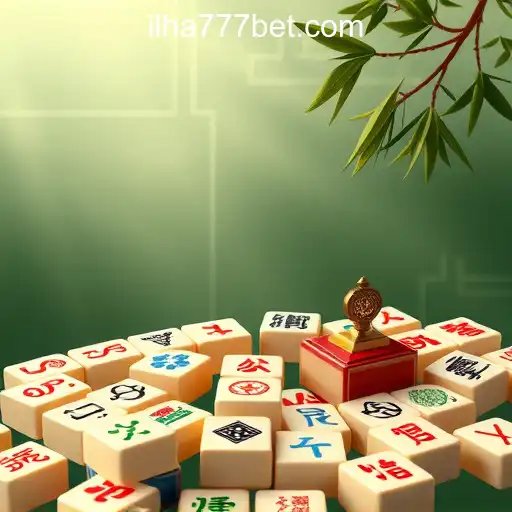
The Fascinating World of Mahjong: A Cultural Classic
The ancient tile-based game of Mahjong is a classic pastime deeply rooted in the cultural fabric of East Asia. Known for its intricate rules and complex strategies, Mahjong has captured the hearts of millions worldwide. While its origins can be traced back to China in the Qing Dynasty, the game has seen various adaptations and interpretations across different cultures over the years. In this article, we delve into the rich history and enduring appeal of Mahjong, exploring why it remains a beloved game in the modern era.
The Origins of Mahjong
Mahjong's exact origins are shrouded in mystery, but it is widely accepted that the game was developed in the mid-19th century. Legend has it that the game was created by army officers to pass time during long military campaigns. The standardized set of 144 tiles, which resembles ancient Chinese money and symbols, forms the basis of the game played today. Despite its humble beginnings, Mahjong quickly spread across China and became a popular social activity among all classes.
Mahjong's Cultural Significance
Throughout history, Mahjong has been more than just a game; it has served as a cultural touchstone that brings people together. In Chinese culture, the game is often associated with family gatherings and celebrations, symbolizing luck and prosperity. Traditionally played during the Chinese New Year, Mahjong is believed to bring good fortune to those who engage in the strategic competition. Furthermore, Mahjong serves as a way to maintain cultural identity among Chinese communities worldwide, fostering a sense of unity and belonging.
The Structure of the Game
Mahjong is typically played by four players and involves skill, strategy, and calculation, as well as a degree of chance. The game is played with a set of 144 tiles based on Chinese characters and symbols divided into suits. The most common suits are circles, bamboo, and characters. The gameplay revolves around drawing and discarding tiles to assemble four sets and a pair, totaling 14 tiles. Skilled players must make strategic decisions and anticipate opponents' moves to win.
Global Variations of Mahjong
As Mahjong spread beyond China's borders, it evolved into numerous variations, each with its unique rules and tile sets. In Japan, Mahjong took on a cultural life of its own, with a slightly different scoring system and more complex rules known as Riichi Mahjong. In the United States, Mahjong became popular among Jewish-American communities, leading to the creation of American Mahjong, which features a different card-based scoring system and unique tile designs. These variations have helped Mahjong gain a global fanbase while highlighting the game's adaptability to diverse cultures.
Mahjong in the Digital Age
With the rise of digital technology, Mahjong has entered the digital realm, making it more accessible than ever before. Online platforms and mobile apps have introduced Mahjong to a new generation of players, enabling enthusiasts to play the game anytime and anywhere. For instance, platforms like FA-ILHA777 Oficial Slots Brasil #1 offer a range of online games, including Mahjong, allowing players to experience the excitement and strategy of the game in a virtual setting. The transition to digital has broadened Mahjong's appeal, attracting new players from all walks of life.
The Strategic Element of Mahjong
One reason for Mahjong's enduring popularity is its blend of strategy and chance. Unlike games of pure chance, Mahjong requires players to think critically and formulate strategies based on tile statistics and potential outcomes. Successful players must remain observant, keep track of discarded tiles, and make calculated risks to gain an advantage over opponents. This strategic depth makes every game of Mahjong unique and engaging, providing endless entertainment for players.
Mahjong Tournaments and Competitive Play
Mahjong's strategic complexity has also paved the way for competitive play, with tournaments held globally. These events showcase the skill and expertise of top players who compete for prestigious titles and prizes. The competitive scene has brought international attention to Mahjong, elevating it from a casual pastime to a recognized sport. Tournaments are governed by various official rule sets, such as the World Mahjong Organization's International Competition Rules, ensuring consistency and fairness in competitive play.
The Social Aspect of Mahjong
Beyond its competitive and strategic elements, Mahjong is inherently a social game. It serves as a conduit for building connections and friendships, whether played casually at home or in bustling Mahjong parlors. The game encourages interaction and camaraderie among players, fostering a sense of community and shared experience. In a fast-paced world, Mahjong provides a space for social engagement, bringing people together in a shared pursuit of enjoyment and mental challenge.
The Future of Mahjong
Mahjong's timeless appeal and adaptability suggest a bright future for this classic game. As it continues to evolve in both physical and digital forms, Mahjong will undoubtedly captivate future generations. The game's rich history and cultural significance, combined with its strategic depth, ensure that Mahjong remains a beloved pastime across the globe. With platforms like FA-ILHA777 Oficial Slots Brasil #1 offering innovative ways to engage with the game, Mahjong enthusiasts can look forward to new opportunities for play and connection.